
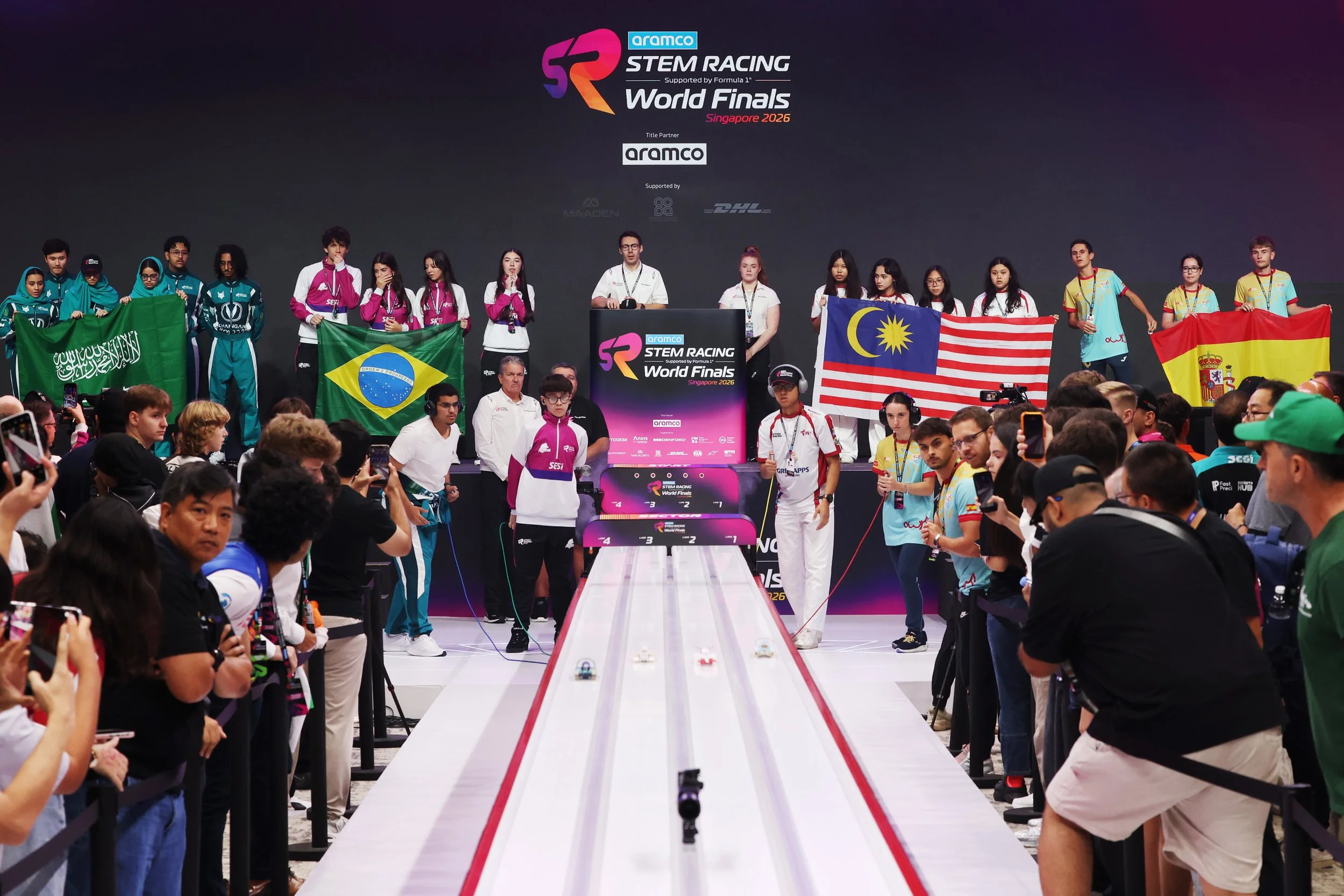
Fresh from their victory at the Aramco STEM Racing World Finals 2026, we caught up with LYNX Racing to find out everything about their phenomenal achievement - from how it felt to take home the trophy to the products and software they used and their advice to new students.
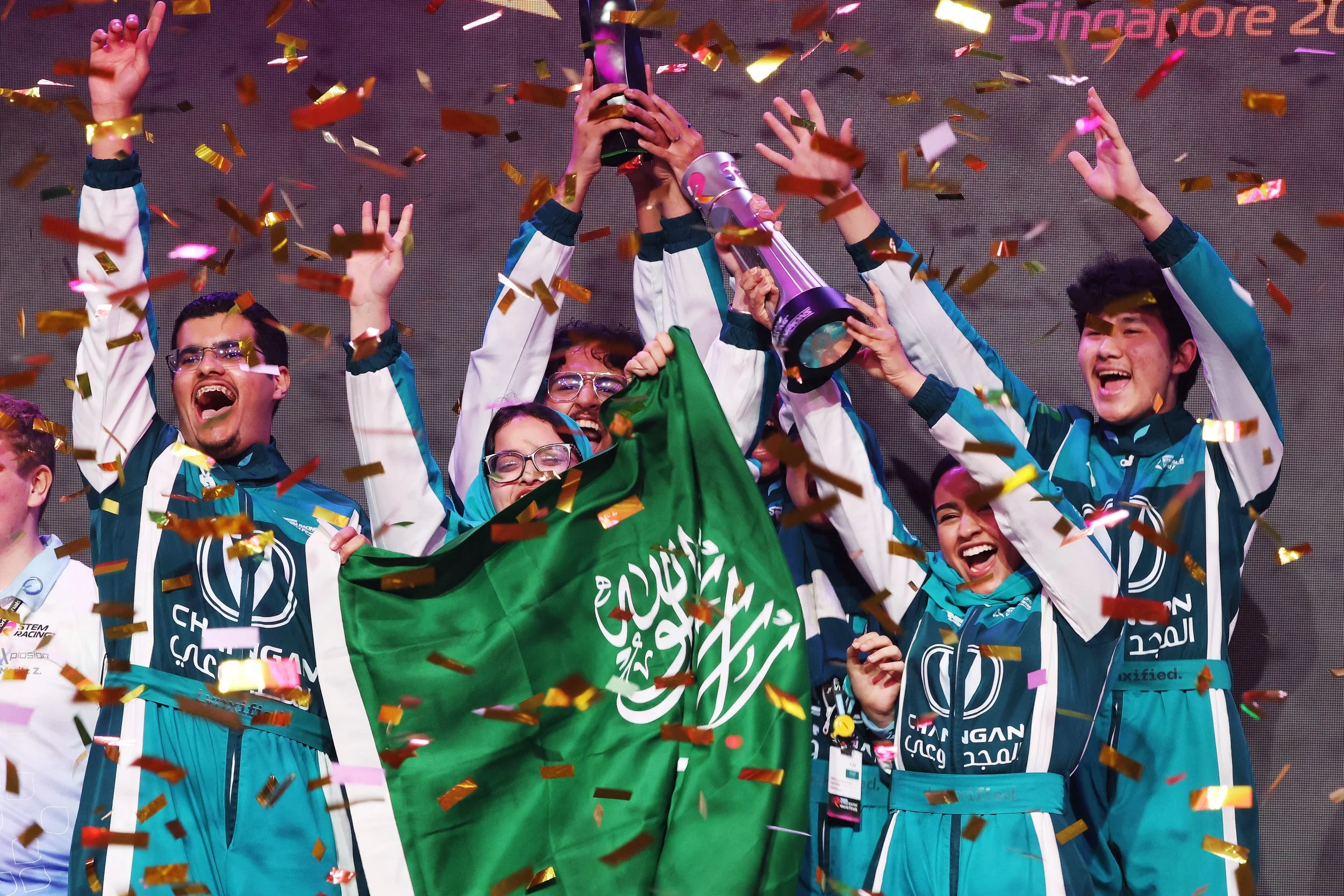
taking home the trophy
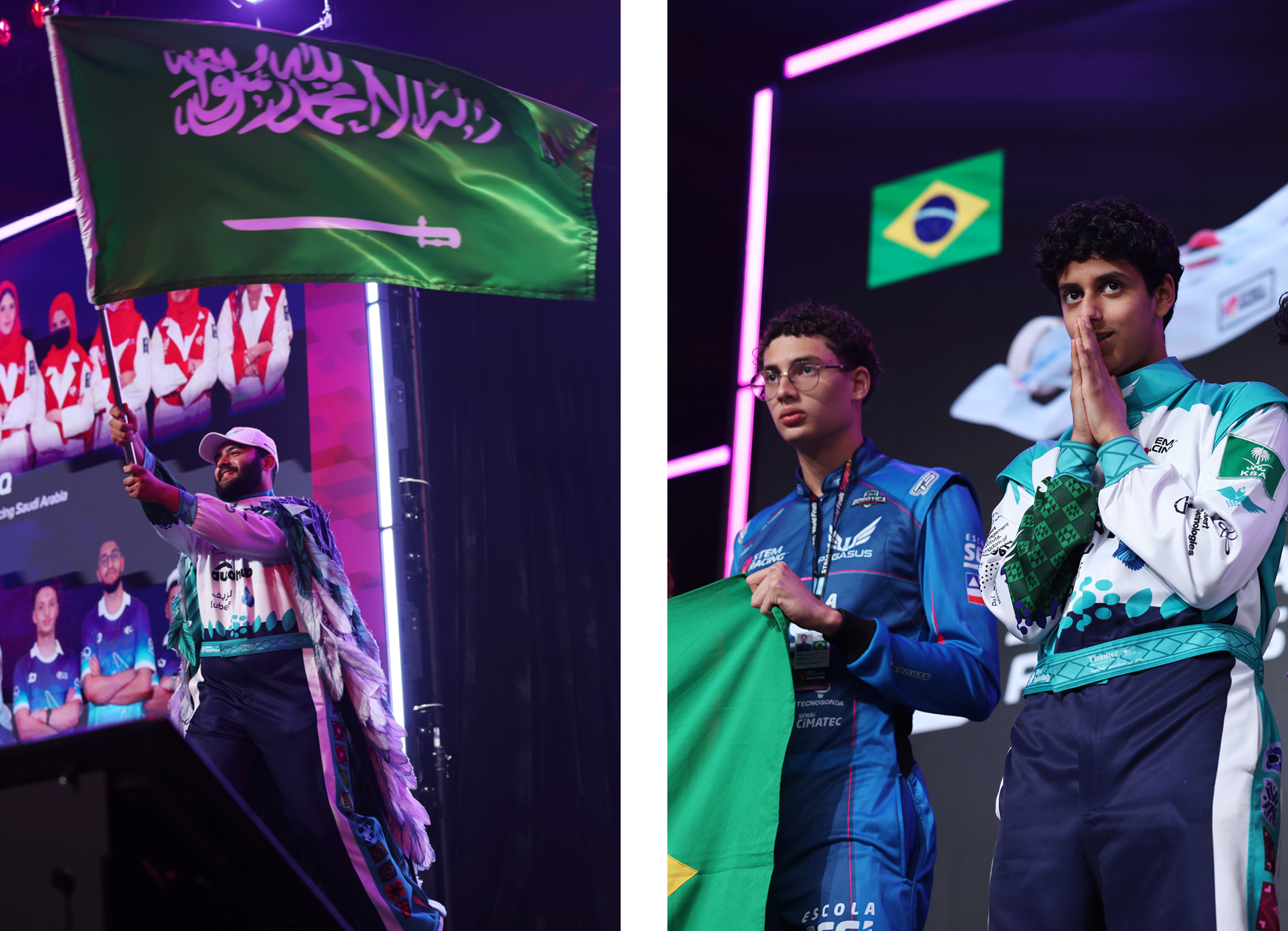
Taking the trophy home was one of the most surreal and exhilarating feelings we have ever experienced. To us, it is so much more than winning a competition; it is seeing a long journey built on hard work, countless sleepless nights, sacrifices, setbacks, and moments of doubt finally come together into something we once only dreamed of.
What makes this achievement even more special is knowing that we made history. To become the first team from Saudi Arabia to reach the podium and win the Aramco STEM Racing World Championship in its 27-year history, is an incredible honor.
Weeks after the competition, we are still overwhelmed with a sense of pride, gratitude, and disbelief. But above all, we are proud that we had proven to ourselves that we were capable of achieving something we had once thought was beyond our reach. For Team Lynx, this trophy will always represent more than a title. It represents our perseverance, teamwork, and the belief that nothing, even writing history, is impossible.
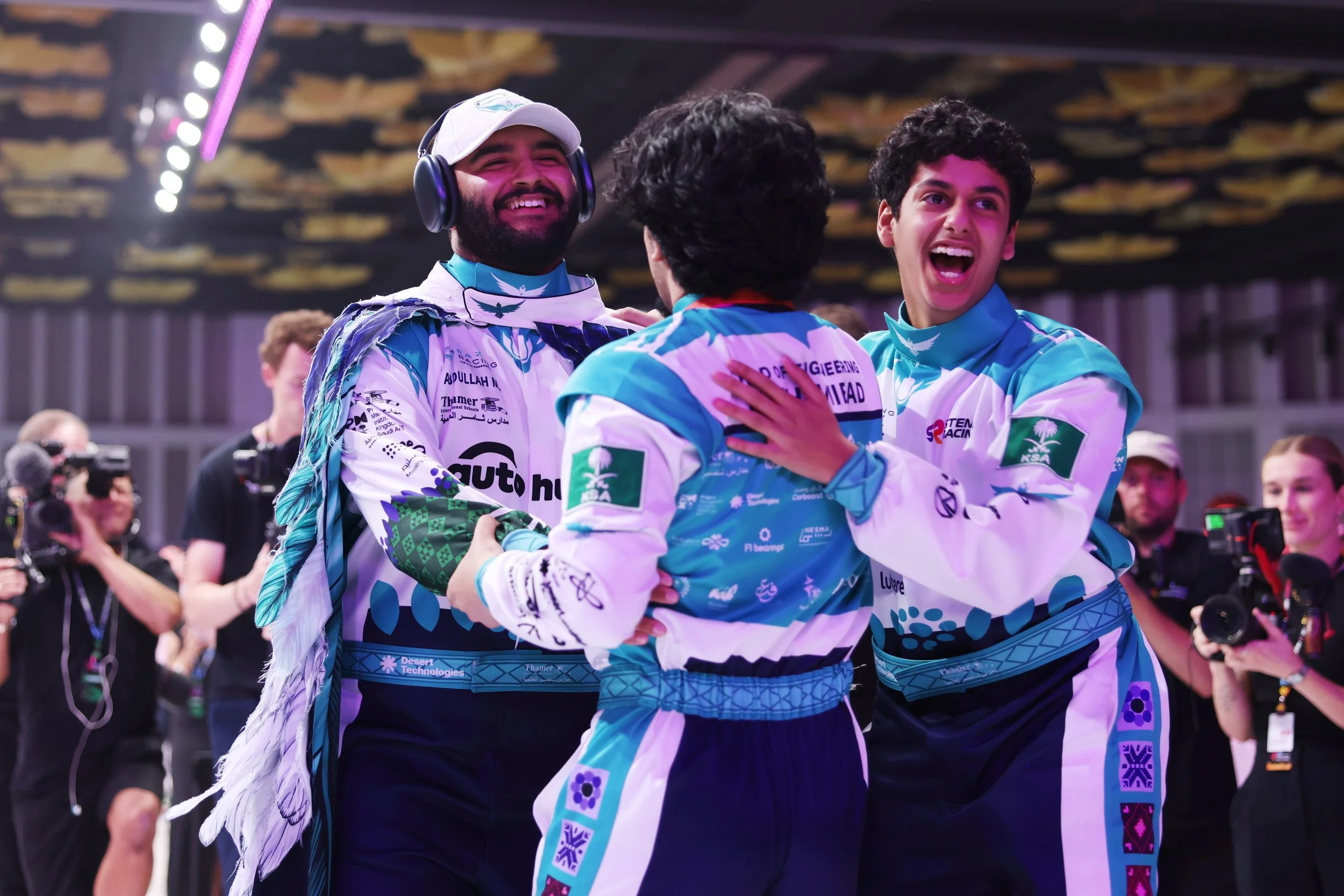
Creating a world-beating car
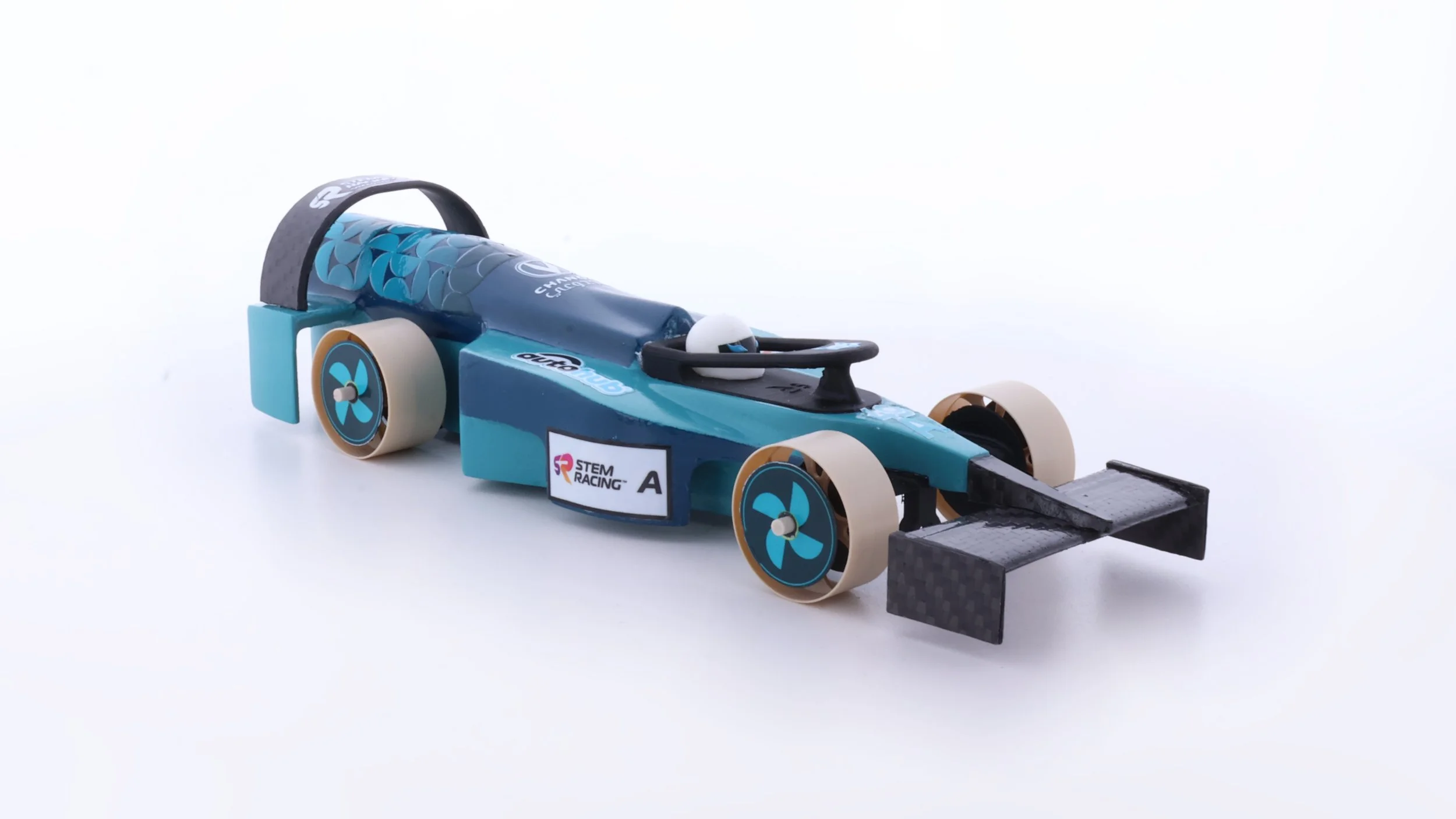
As Team Lynx, our approach was built around continuous improvement and never accepting the first design as the best one. We started by researching aerodynamic principles and understanding how different design features could affect the car’s overall performance.
We then moved into the design stage, using Autodesk Fusion 360 to develop our car and experiment with different aerodynamic concepts. Once we had our designs, we used Ansys Fluent to simulate airflow, analyse pressure distribution, and identify areas where we could reduce drag and improve performance.
One of the most important parts of our process was testing different ideas rather than relying on assumptions. We constantly reviewed our results, made adjustments, and went back to the design stage whenever we identified something that could be improved.
Our mindset throughout the journey was simple: design, test, learn, and improve. We believe that every small detail matters, and that the difference between a good car and a winning car comes from the willingness to keep questioning and improving your work.
Autodesk: Ideas become reality
We chose Autodesk Fusion because it offered the flexibility and precision we needed to develop our car from initial concepts into a detailed engineering design.
One of the things we liked most about Fusion was how easy it was to experiment with different designs and make modifications without having to start over. This was particularly important because our development process involved many iterations, where even small changes to the car’s geometry could influence its performance.
We also appreciated the ability to work with individual components while maintaining control over the overall assembly. Its integration with manufacturing workflows made it easier to consider production requirements during the design stage.
Overall, Fusion allowed us to turn our ideas into accurate, practical designs and played an important role throughout our engineering development.
Ansys: A visual Understanding
We chose Ansys Fluent because aerodynamic performance was a major focus of our engineering development, and we needed a reliable way to understand how airflow behaved around our car.
What we liked most about Fluent was its ability to visualise airflow and provide detailed information about pressure distribution, velocity, and areas of turbulence. This helped us understand what was happening around the car rather than simply judging its performance based on its external appearance.
We used the simulation results to compare different aerodynamic designs, identify areas that needed improvement, and make more informed decisions during development.
The biggest advantage was being able to support our design decisions with simulation results instead of relying entirely on assumptions. It helped us approach aerodynamic development in a more systematic and evidence-based way.
Denford: precision and consistency
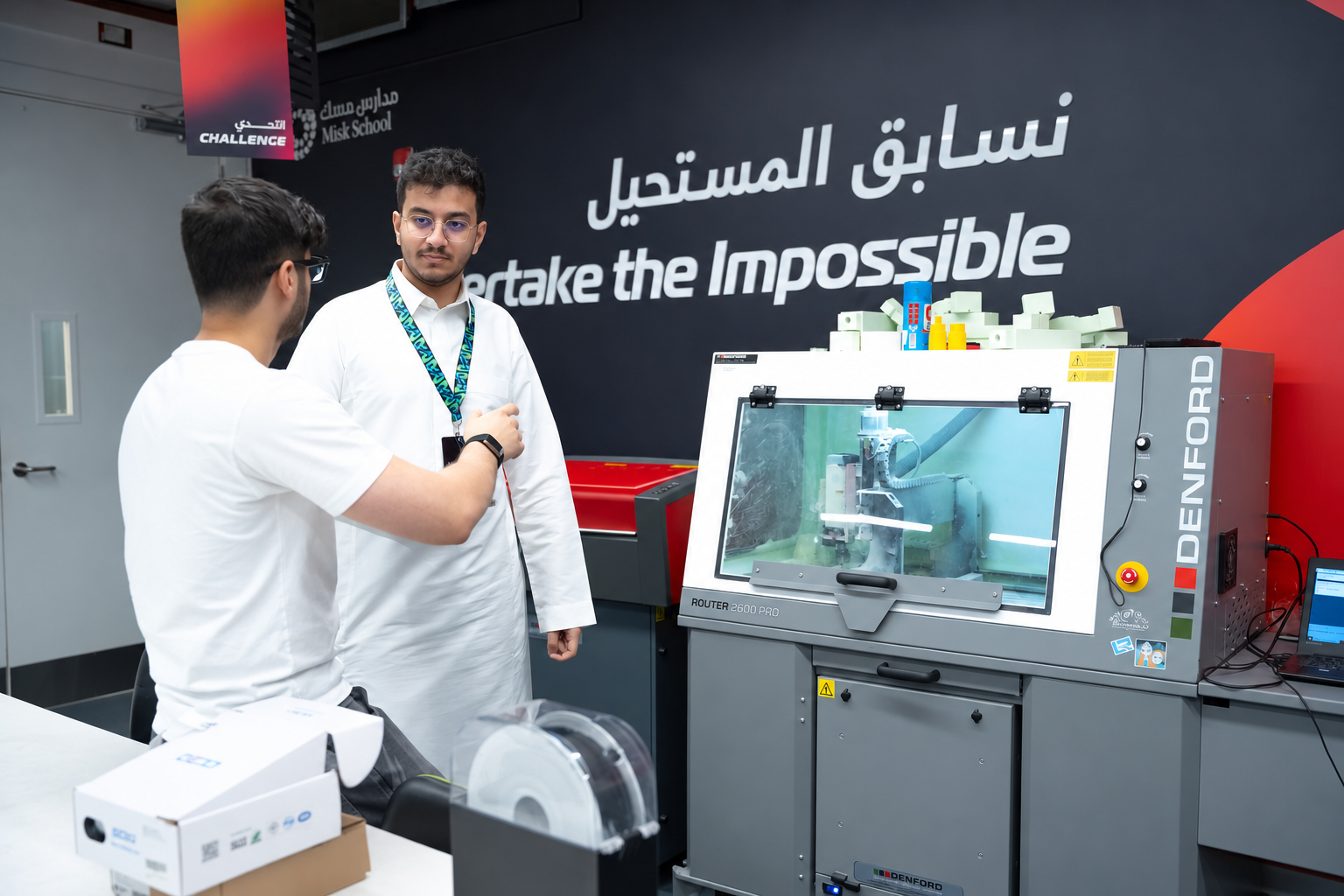
We chose the Denford CNC router because precision and consistency were essential when manufacturing our car. After spending a significant amount of time developing and refining our design digitally, we needed a machine that could accurately translate our CAD models into physical components.
What we particularly liked about the Denford router was its precision and repeatability. It allowed us to manufacture components according to our intended dimensions while maintaining consistency throughout the process.
Another important aspect was how it connected the design and manufacturing stages. We could see how decisions made during CAD modelling directly affected the final physical product.
Using the machine also helped us understand that a successful engineering design is not only about performance on screen; it must also be practical and suitable for manufacturing.
continuously working to make things better
The skills we have developed through STEM Racing will benefit us far beyond the competition itself. Throughout the programme, we gained practical experience with engineering tools and technologies that are widely used across different industries.
CAD taught us how to develop ideas into detailed designs and approach problems with a structured engineering mindset. CFD introduced us to simulation-based engineering and helped us understand how physical principles can be applied to improve real-world products. CNC manufacturing gave us practical knowledge of precision, production methods, and the relationship between digital designs and physical components.
More importantly, STEM Racing taught us how to approach challenges through research, experimentation, teamwork, and continuous improvement.
As we move forward with our academic and professional careers, we believe these skills will give us a strong foundation, particularly in fields such as mechanical engineering, product development, and advanced manufacturing.
Ultimately, the programme showed us that engineering is not simply about designing something that works. It is about understanding the problem, challenging existing ideas, and continuously finding ways to make things better.
enjoy every second of the experience
Our biggest advice would be to dream big, stay curious, and never underestimate how far you can reach. When we first started our STEM Racing journey, winning a World Championship was something we could only imagine. We had no idea how far the experience would take us, but we learned that extraordinary results come from consistently showing up, learning from mistakes, and pushing beyond limits.
We would also encourage students to remember that STEM Racing is about much more than building the fastest car. Invest just as much effort into engineering as you do into project management, enterprise, teamwork, and communication! Most importantly, don't let the fear of failure stop you from joining. Some of our greatest work came from things that didn't go as planned. Every setback is an opportunity to improve, and every competition is an opportunity to become better than you were before.
And finally, enjoy every second of the experience. Don't participate just to win a trophy; participate to discover what you're truly capable of. The late nights, the pressure, the friendships, and even the difficult moments will become some of your most meaningful memories, because at the end of the day, those are the greatest prizes you'll take away from this journey.